X (Twitter)


$1,250 per guest
ClassBento money-back guarantee
Our mission is to improve mental wellbeing through our workshops and experiences. We curate our teachers and hosts carefully to ensure that they are of high quality.
That's why we provide a money-back guarantee*: If you're unsatisfied with this experience, just leave it at least 20 minutes before it ends, and tell us (the ClassBento team) the reason for your dissatisfaction within 4 hours of that time, and we'll provide you with a refund.
* We may choose to limit our refund per customer at $1000. In some rare cases, we may also require you to show us your photo ID before we process the refund.
Please choose a time
Please choose a date and time by clickingtapping the dropdown menu (that's just to the left of the button you clicked), before clicking the 'Buy' button.






Nearby stores
Done!
We've added you to the waitlist for this class - we'll automatically notify you via email when new dates become available.
Sorry, you just missed it
The date in our email has already been booked. Spots can sell out within minutes of new dates being released, so the best way to get in next time is to book as soon as our email lands.
You're still on the waitlist, so we'll email you as soon as new dates are added.
How Afterpay works


Please note: Afterpay is not available on bookings of over $1,000, and on certain classes.
Book now, pay later
With Zip, you can book now to ensure you don't miss out on the date you like, and pay later, interest free (nothing to pay today).
Just proceed to the checkout, and use the "Zip" option for payment.
Over 800,000 Australians use Zip. Learn more about Zip.
Book a private class
Pick time(s) that suit you, and ask any questions
reply
We'll respond via email & text message
(with a booking link), usually within minutes
Here you'll just specify the first date of your class series.
This class series runs over 9 consecutive sessions, at the same time every week.
check_circle
You'll be in good hands. This teacher is rated 5.0 out of 5, from 399 reviews
Pick a time on
ClassBento money-back guarantee
Our mission is to improve mental wellbeing through our workshops and experiences. We curate our teachers and hosts carefully to ensure that they are of high quality.
That's why we provide a money-back guarantee*: If you're unsatisfied with this experience, just leave it at least 20 minutes before it ends, and tell us (the ClassBento team) the reason for your dissatisfaction within 4 hours of that time, and we'll provide you with a refund.
* We may choose to limit our refund per customer at $1000. In some rare cases, we may also require you to show us your photo ID before we process the refund.
How can we help?
Q: What's the cancellation policy?
A: No cancellations, but free to reschedule up until 3 days before the class
Q: How long does the class run for, and what's the price?
A: 9 x 3 hours, $1,250 per guest
Please enter your name
Please enter a valid email
Please enter a message
You did not pass the Captcha test. Please click the button to try again
done Thanks, we'll be in touch
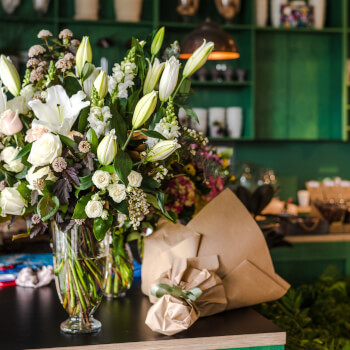
10 Week Farmer to Florist Course
Learn, grow and flourish as a florist in 10 weeks!
Botaniculture
5.0 (399)
 9 x 3 hours
 1 to 12 guests
 $1,250
(PayPal Pay in 4 available)
$1,250
(PayPal Pay in 4 available)
What you'll do
The Farmer–Florist is a hands-on, beginner-friendly floristry course designed for anyone considering a career change into flowers.Across 10 weeks at our Silvan flower farm, you’ll learn the foundations of sustainable floristry and flower farming while working with locally grown, seasonal blooms. This is practical, real-world floristry training—not just arranging flowers, but understanding harvesting, conditioning, seasonal availability, and how a working grower–florist business operates.From early morning picking sessions to preparing flowers for customers, you’ll experience the rhythm of a small flower farm and retail operation. You’ll build confidence in floral design, develop practical floristry skills, and gain insight into what it takes to start a career as a farmer–florist.By the end of the course, you’ll have hands-on experience, a strong understanding of seasonal design principles, and clarity about your next steps in the flower industry.Course overview: At Botaniculture, flowers start in the ground—not in a bucket. Each week, you’ll work with locally grown flowers, freshly picked from our own farm or thoughtfully sourced from nearby growers, always naturally in season. You’ll experience how availability shifts week to week, how colour palettes are shaped by climate, and how stem length, texture, and structure influence your design decisions. Rather than forcing an outcome, you’ll learn to respond to what the season offers. This practical understanding—working with nature instead of against it—is what underpins sustainable, long-lasting floral work. You don’t need to grow your own flowers to benefit from this knowledge. But once you understand where flowers come from and when everything changes. You design differently. You source differently. You begin to trust your own eye. Inspired by nature, you’ll gradually develop a style that feels authentic, grounded, and entirely your own.Week 1: Welcome to the Farm and Market Bunch: note Week One begins outdoors, at the flower farm. You’ll arrive and step straight into the landscape where your flowers are grown. We start simply — a warm welcome, a cup of tea, and a conversation. Bel and Mark share how their paths into floristry and floriculture came together, and how Botaniculture evolved into both a working farm and retail business. From there, we walk the rows. You’ll begin to understand flowers as living crops — shaped by weather, soil, timing, and care. You’ll learn how and when to harvest, how to handle stems correctly, and why proper conditioning is one of the most important skills a florist can master. We’ll introduce the essential tools of the trade and the discipline of preparation — cleaning, trimming, hydrating, and assessing quality. These foundational habits influence everything that follows. Your first creation is a seasonal market bunch, gathered from what is naturally available that week. You’ll build it thoughtfully, wrap it simply, and leave with flowers in hand — a true reflection of the field and the beginning of your floristry journey (3 hours).Week 2: Hand-Tied Garden Bouquet: In Week Two, we move from harvesting to designing. The focus is on seasonal bunches — learning to see how colour, texture, and form interact in a bouquet. We start with a discussion about working with the natural palette of the season. You’ll explore how different stems complement one another, how texture adds depth, and how to balance movement and structure to create a harmonious, natural-looking bouquet. With fresh flowers in hand, you’ll learn how to hand-tie a garden-style bouquet, arranging stems in a way that feels abundant yet effortless. You’ll also experiment with eco-friendly wrapping techniques, presenting your work in a way that is both beautiful and sustainable. By the end of the session, you’ll have created a seasonal hand-tied bouquet, wrapped and ready to take home — a true reflection of the flowers you’ve worked with and the season you’re in (3 hours).Week 3: Garden Style Vase Arrangement: Week Three shifts focus from bouquets to vase arrangements, exploring how to bring seasonal flowers together in a way that feels natural, abundant, and sustainable. The session begins with a discussion on low-waste floristry — how to work thoughtfully with stems, foliage, and materials to create beautiful designs while minimising waste. You’ll learn the principles that guide sustainable floral work and why they matter for both the environment and professional practice. With flowers in hand, you’ll create your own natural garden-style vase arrangement, learning to balance height, texture, and form. You’ll see how seasonal availability and stem structure influence placement, and how to make an arrangement that feels effortless but carefully considered. By the end of the session, you’ll have a vase arrangement to take home, alongside the knowledge to approach future designs with sustainability and seasonal awareness at the forefront (3 hours).Week 4: Working with Wildflowers: In Lesson Four, we explore the world of wildflowers — abundant, textural, and full of character. The session begins with practical knowledge about sourcing seasonal flowers. You’ll learn how to work with local growers, navigate wholesalers, and understand flower pricing, giving you insight into how florists access and select blooms throughout the year. With guidance, you’ll then create a front-facing wildflower vase arrangement, combining Australian natives with South African wildflowers. You’ll learn to showcase the natural structure and movement of the stems, creating a vibrant, layered display that celebrates the season and the unique qualities of each flower. By the end of the session, you’ll have a wildflower vase arrangement to take home and a stronger understanding of sourcing, styling, and working with seasonal, textural blooms (3 hours).Week 5: Hand-Tied Wildflower Bouquet: Week Five is all about bringing together texture, colour, and form in a hand-tied wildflower bouquet. You’ll start the session with a conversation about different pathways within the floristry industry, exploring career options, opportunities, and what it takes to work professionally with flowers. Then, with a mix of Australian native and South African wildflowers, you’ll create a front-facing bouquet. The focus is on arranging stems to show off their natural movement and character while building a composition that feels balanced and abundant. You’ll also learn how to wrap your bouquet sustainably and present it beautifully, ready for display or gifting. By the end of the session, you’ll leave with a finished bouquet in hand and a clearer understanding of how to approach both the creative and professional sides of floristry (3 hours).Week 6: Event Flowers Part 1: Week Six introduces the world of event floristry, where planning and timing are just as important as design. The session begins with a discussion about seasonal availability and peak demand, helping you understand how the calendar, crop cycles, and flower quality influence what can be used and when. You’ll learn how to plan floral work efficiently, making sure your designs are both beautiful and practical for events.In the hands-on session, you’ll create a bouquet with a matching buttonhole, learning how to coordinate designs for a cohesive event look. You’ll practice composition, scale, and finishing techniques to ensure both pieces complement each other perfectly (3 hours).Week 7: Event Flowers Part 2: Week Seven continues our focus on event floristry, this time turning attention to sourcing and styling. We discuss where to shop for flowers and sundries, sharing our favourite local growers, wholesalers, and flower markets. You’ll gain practical insight into selecting quality blooms and materials, understanding availability, and navigating pricing — knowledge that helps you work efficiently and professionallyIn the hands-on portion, you’ll create bud vase clusters and table centrepieces, learning how to design for different scales and settings. The focus is on using seasonal flowers creatively while maintaining cohesion and balance, so your arrangements look effortlessly curated yet thoughtfully composed. By the end of the session, you’ll have a set of event-style arrangements and a stronger understanding of how to design, plan, and work with flowers for special occasions (3 hours).Week 8: Grow and Bloom Part 1 | Growing with Intention Week 8 takes place on the farm, where you’ll step fully into the rhythm of growing seasonal flowers. You’ll learn how to plan and manage seasonal crops, understand peak harvesting times, succession planting, and proper post-harvest care to maximise stem quality and vase life. This is hands-on learning in its truest sense — planting, cutting, conditioning, and preparing flowers for market. For students exploring a career change, this week offers a deeper insight into the realities of small-scale flower farming and the foundations of a sustainable grower–florist business (5 hours).Week 9: Grow and Bloom | Part 2, Harvest to Market In Week 9, we focus on what happens after the harvest — bunching, pricing, order preparation, and understanding the flow of flowers from field to customer. You’ll work alongside us as we prepare flowers for our shop and workshops, gaining insight into workflow, time management, and maintaining quality under real working conditions. Career change students will also have the opportunity to undertake structured work experience with us, building confidence in both farm and studio environments and gaining practical understanding of day-to-day business operations (5 hours).Week 10: Living Wreath: We close our journey together with a creative celebration. You’ll create a living wreath using seasonal plants, moss, and foraged twigs — a piece that reflects the full circle of growing, harvesting, and designing with intention. We’ll gather for a farewell morning tea, reflecting on what you’ve learned and the path ahead — whether that’s growing for joy, deepening your creative practice, or stepping into a new career in flowers (3 hours).For those ready to take the leap, ongoing work experience opportunities remain open beyond the course, offering continued mentorship within our working farm and retail store.About your teachers:About Belinda (aka Bel) Bel is a farmer-florist and co-owner of Botaniculture (retail flower shop) and Flowers from our Farm (wholesale flower farm). With over 35 years of experience in the retail gift-giving industry — including running both a busy brick-and-mortar and online store — Bel brings practical business knowledge alongside design skills. Her teaching is grounded, transparent, and focused on building confidence.About Mark Mark is a horticulturist and co-owner of Botaniculture and Flowers from our Farm. Mark brings a lifetime of horticultural experience and a deep understanding of floriculture (flower farming). His knowledge of soil, crop planning, seasonality, and growing quality stems underpins everything we do. He shares the growing side of the story — the part many florists never see, but that changes how you will design forever. Together, we offer a genuine, behind-the-scenes look at a working flower farm and floristry business — honest, seasonal, and rooted in experience. If you’re ready to explore floristry in a way that feels real and sustainable, we’d love to welcome you.
info
This class is not available for purchase
What you'll get
- A warm welcome and immersive on-farm learning at our Silvan flower farm
- A Botaniculture apron and curated floristry essentials toolkit to keep
- Seasonal, locally grown flowers each week — yours to design with and take home
- Hands-on instruction in harvesting, conditioning, and designing with living crops
- Practical skills in sustainable flower design and working with seasonal availability
- Small-group, personalised teaching with insight into running a grower–florist business
- Work experience opportunities for career-change students
Knowledge required
- No prior experience is necessary
- A love of flowers and working with your hands
- Willingness to learn practical floristry and farm-based skills
- Open-mindedness to explore design, seasonal growing cycles, and sustainable practices
What to bring
- Curiosity, creativity, and a willingness to get hands-on.
- Comfortable clothing suitable for farm work and handling flowers.
- Enthusiasm for learning, experimenting, and connecting with the seasons.
Session repeats
This class series runs over 9 consecutive sessions, at the same time every week.
Join waitlist
Get updated when new dates for this class become available.
Unsubscribe any time.
Unsubscribe any time.
E.g. 'Sunday mornings', 'November', etc. We will still email you about other new dates
Please don't include your contact details in this field