 By Tiffany Fung
In this story:
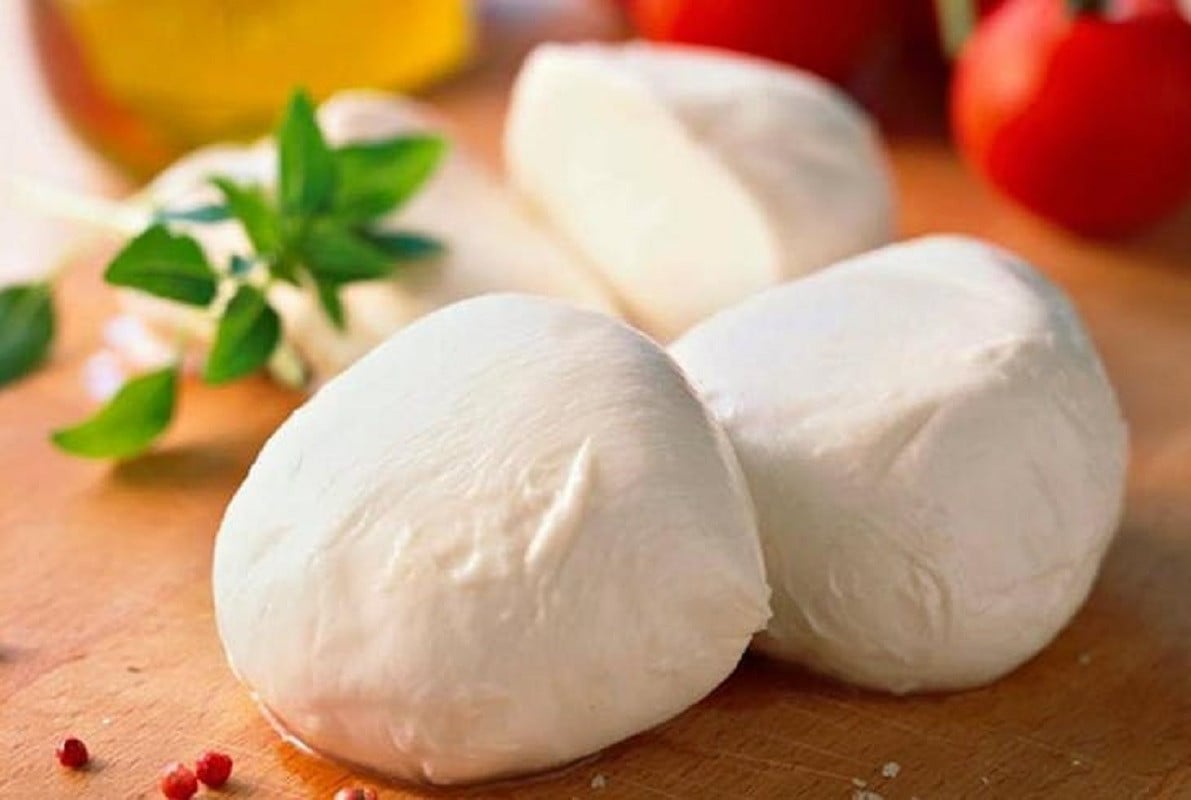
Curious about how that creamy brie or pillowy mozzarella is made? You're not alone. Cheese making classes are growing in popularity as more people discover the joy of crafting their own cheeses at home, and the good news? It’s easier to get started than you might think.
Whether you're dreaming of crafting your own camembert cheese or simply want to impress friends with homemade ricotta, taking a cheese making class is a fun, hands-on way to explore this delicious and rewarding hobby. Here’s everything you need to know to begin your cheese making journey.
Why take a cheese making class?
There's nothing quite like learning from an experienced cheese maker. During a workshop, you'll get hands-on guidance that helps you understand not just the ‘how’ but the ‘why’ behind each step. You'll learn to recognise the subtle signs that indicate when your curds are ready, how temperature affects texture and what to do when things don't go exactly to plan.
Plus, let's be honest, cheese making can be a bit intimidating at first. Having an expert by your side to answer questions and troubleshoot any hiccups makes the whole experience much more enjoyable and fun.
What you'll learn in a beginner's class
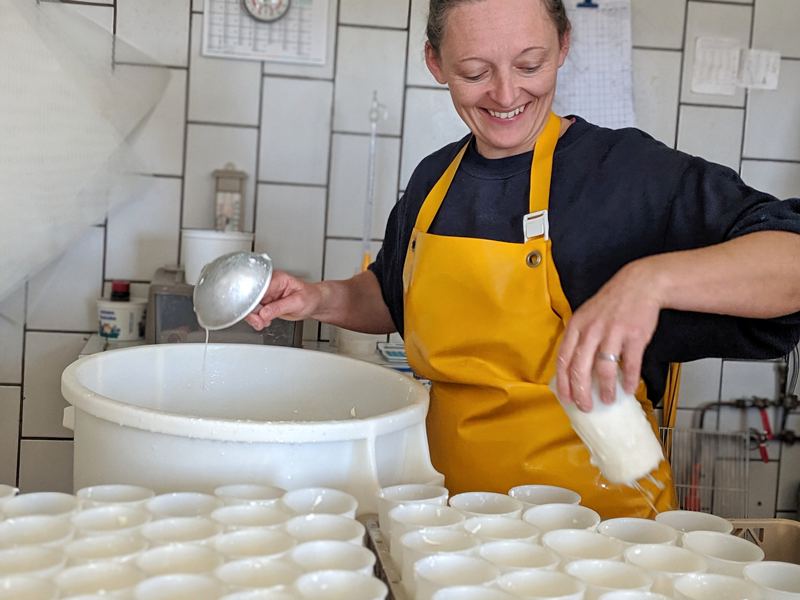
Most beginner-friendly cheese making classes focus on learning to make all kinds of cheeses like ricotta, mozzarella and farmer’s cheese, all of which can be made in a single session and enjoyed immediately.
During these classes, you'll discover the fundamental principles of cheese making, from the importance of temperature control to basic techniques like cutting curds and draining whey. Don't worry if these terms sound foreign now; they'll become second nature once guided by your experienced teacher.
Find the best cheese making classes near you
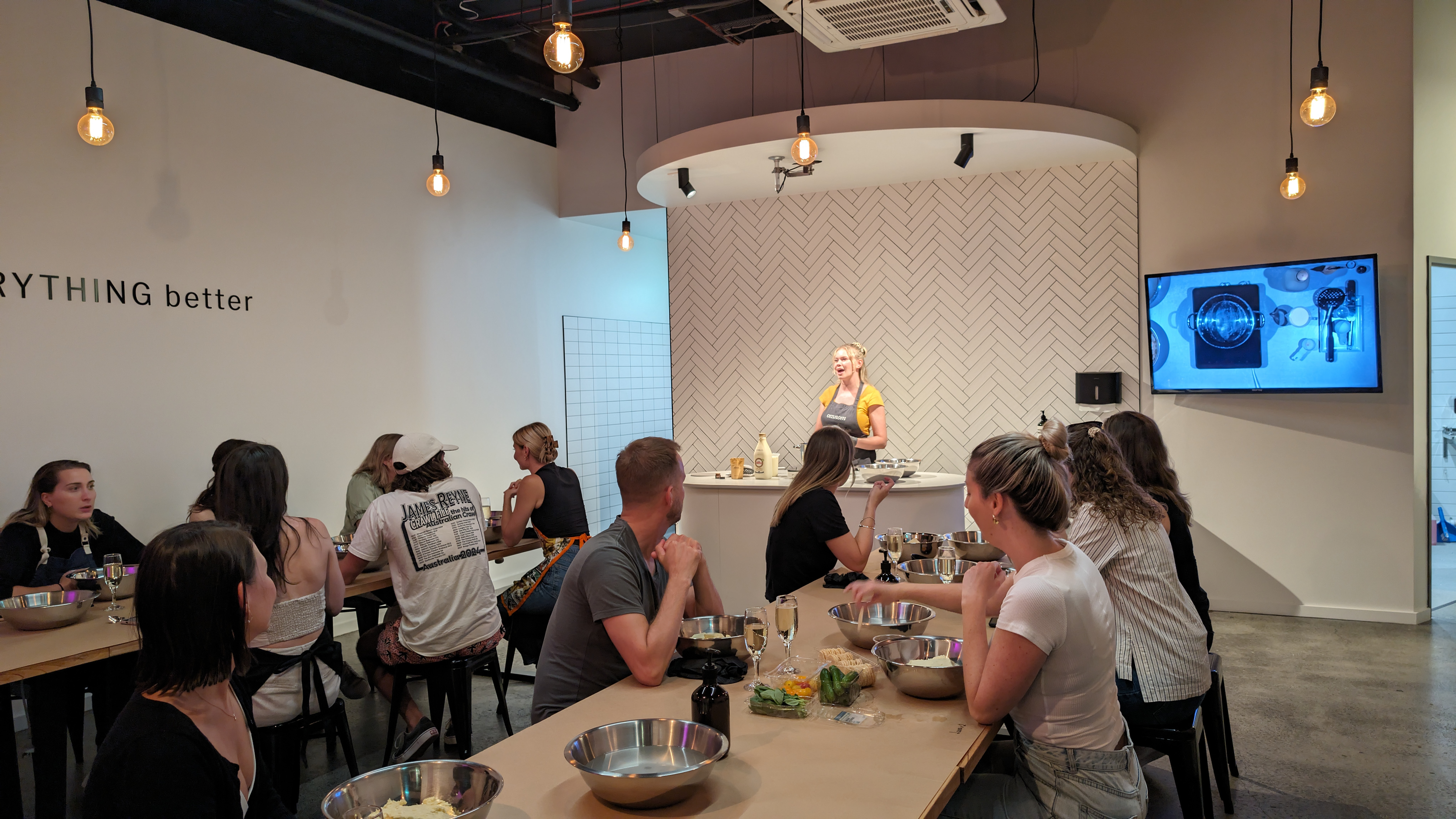
When it comes to finding quality cheese making classes, we offer a range of beginner-friendly options all across Australia. If you’re looking for a casual cheese making class, head to Omnom Cheese in Sydney for their classic halloumi making class with bubbles. As you craft your own halloumi cheese, the bubbles won’t stop flowing, making it a fun and flavourful experience to share.
For those who want to dive deeper, Perth offers this two week course at Cheese Making, which allows you to make eight different types of cheeses, perfect for cheese lovers! And for those who can’t get to a class, we also offer cheese making kits that are perfect for beginners. There's something magical about transforming simple milk into creamy, delicious cheese right in your own kitchen (that you can savour all to yourself!).
What to expect at your first workshop
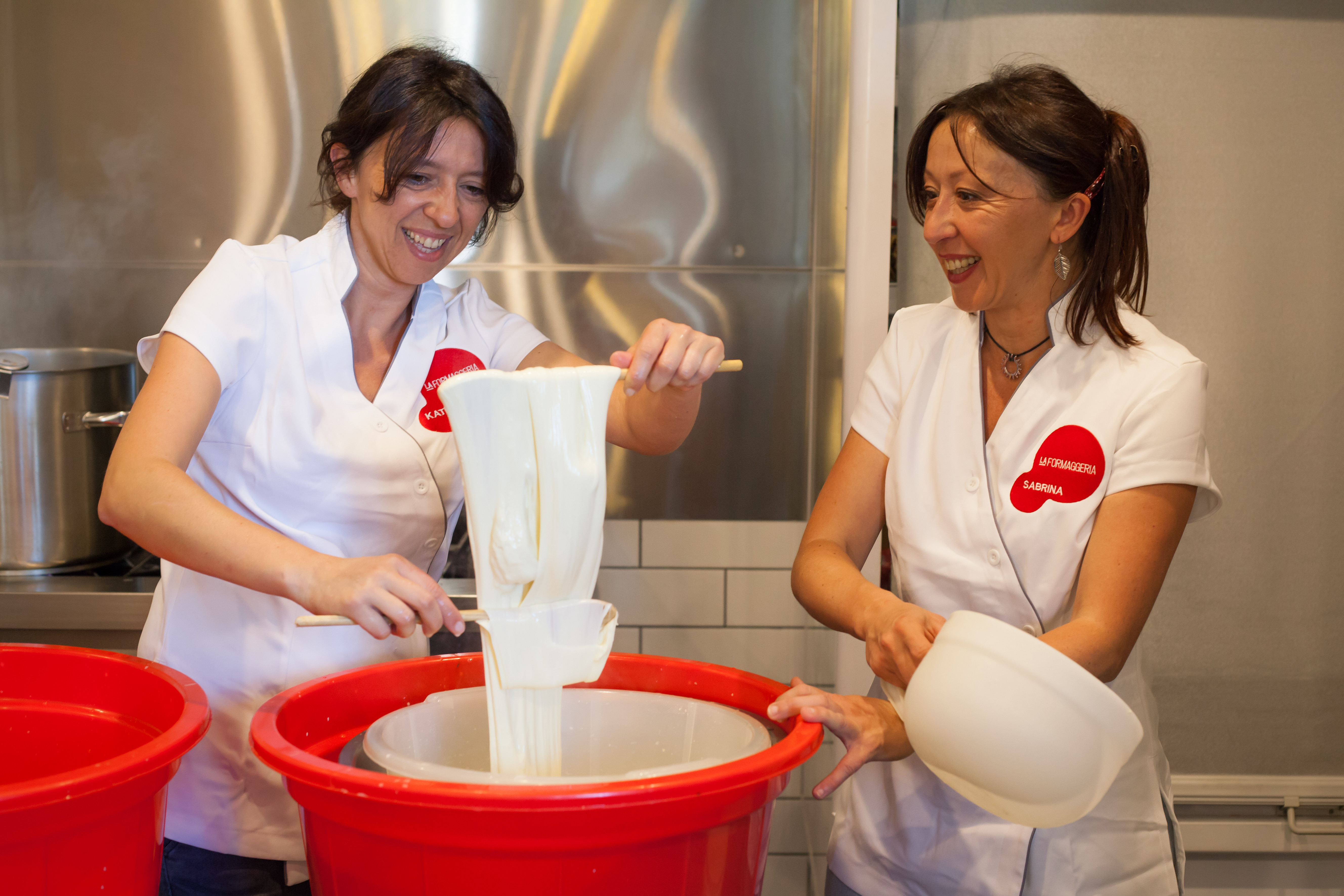
Most cheese making classes begin with a brief introduction to the basic principles and a rundown of the day's activities. You'll typically be working with high-quality, fresh milk and learning to use simple tools like thermometers, strainers and wooden spoons.
Remember to wear enclosed shoes and tie back long hair for safety. Cheese making involves working with warm liquids and moving around the workspace. Don’t worry, the atmosphere is usually relaxed and social, making it a great activity for couples, friends, or even solo adventurers looking to try something new.


How to make cheese step by step
While each type of cheese has its own specific process, most cheeses follow a similar basic pattern that's perfect for beginners to understand. Here's a simplified overview of what you'll typically experience in your first cheese making class:
Step 1: Heat the milk
You'll begin by gently heating your milk to the correct temperature—usually between 30–40°C for fresh cheeses like ricotta or paneer. For styles like mozzarella, you may go slightly higher, but 85–90°C is more typical for acid-coagulated cheeses like quick ricotta, not rennet-set cheeses. Your thermometer will be your best friend here, as temperature control is key to a good curd.
Step 2: Add the acid (or rennet)
Next, you’ll add either an acid (like lemon juice, vinegar, or citric acid) or rennet, depending on the type of cheese you're making. Acid causes immediate curdling (used in cheeses like ricotta or paneer), while rennet is used for more complex cheeses like mozzarella, brie or camembert. You’ll watch the milk separate into curds and whey—it’s a satisfying moment!
Step 3: Let it set
Let the mixture rest undisturbed. If using rennet, this takes around 30–60 minutes, depending on the recipe. Acid-set cheeses often begin separating almost immediately. Your instructor will help you recognise the right texture and “clean break” in the curd.
Step 4: Cut, strain and drain
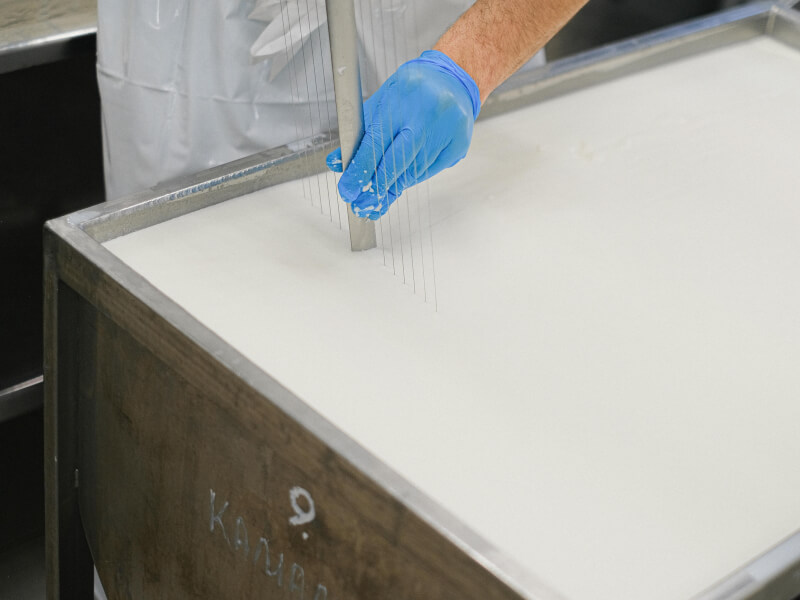
Once your curds are set, you may gently cut them into pieces (especially in rennet-set cheeses) to release more whey. Then, using cheesecloth or a fine strainer, you'll drain the curds. The longer you drain, the firmer the final cheese.
Step 5: Season and shape
After draining, you'll salt your cheese and possibly add herbs or spices. For some cheeses like mozzarella, you’ll also heat, stretch, and knead the curds, a fun and interactive step that your instructor will guide you through.
The beautiful thing about this process is how hands-on and intuitive it becomes once you try it. Reading about it is one thing, but feeling the curds form under your hands and watching milk transform into cheese creates an understanding that no amount of theory can provide.
Building your home setup
Once you’ve had a taste of cheese making, chances are you’ll want to keep the curds coming at home. The best part? You don’t need fancy gear or a full-blown dairy to get started. A large, heavy-bottomed pot, a trusty thermometer, some cheesecloth (or a fine strainer), and a wooden spoon or two are really all it takes. Odds are, you already have most of these in your kitchen, which means you’re just a few steps away from your very own homemade cheese board.
Ready to start your cheese making adventure?
If so, head to one of our cheese making classes across Australia. Whether you’ve always wanted to make your own cheese or are looking for a unique experience gift for a curd connoisseur, our cooking workshops are the perfect way to begin.
Start with a beginner-friendly class, embrace the learning process, and don't be afraid to ask questions. Before you know it, you'll be confidently making your own cheese and maybe even inspiring others to join this wonderful, ancient craft. Your taste buds and your friends will thank you for it!