In this story:
Barista courses in Melbourne have never been more popular and that’s no coincidence. Melbourne isn’t just a city that drinks coffee. It’s a city that built its identity around it. To understand why is Melbourne coffee so good (and arguably one of the best in the world), you have to look at how history, migration, innovation and obsession combined to create something truly special— what we now call coffee culture in Melbourne.
Let’s start at the beginning.
From Ethiopian legend to European coffee houses
The truth is that no one really knows how coffee came about. Before it became one of the best things to do in Melbourne, it’s most likely that it began in the ancient coffee forests of the Ethiopian plateau.
African legends suggest that a goat herder named Kaldi noticed his livestock consuming the berries and were active well into the early hours of the morning. After chewing on them himself, Kaldi found that the drink gave him unexplainable energy and took them to a nearby monastery. The monks disapproved and threw the beans into the fire, filling the monastery with an insatiable aroma. The roasted beans were dissolved in water, and so the birth of coffee began.
From there, coffee spread to Yemen, where it was brewed for its stimulating and medicinal properties. And by the 15th century, coffee reached Europe—though not without resistance. Initially labelled a “Muslim drink,” it was viewed with suspicion by the Catholic Church. That changed when Pope Clement VIII reportedly tried it and approved.
Soon, coffee houses flourished across Europe. They became known as “penny universities”—places where ideas, politics and culture were exchanged for the price of a cup. The still-operating Queen’s Lane Coffee House, established in 1654, stands as one of the earliest examples of coffee’s social power.
That culture of conversation and community would eventually shape Melbourne’s future.
Why coffee took off in Melbourne, not the rest of Australia
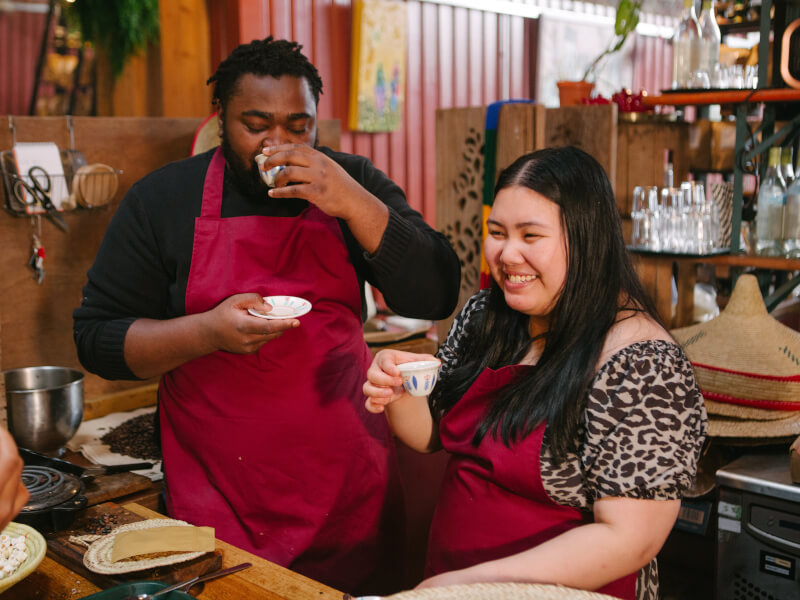
Australia didn’t immediately fall in love with coffee. When it arrived with the First Fleet, the country remained staunchly tea-drinking. It wasn’t until mass European migration—particularly after World War II—that things changed dramatically.
And Melbourne became the epicentre.
Why?
1. Italian migration and espresso machines
At the turn of the 20th century, espresso machines were developed in Turin. Italian migrants brought this technology and their espresso culture to Melbourne in the 1950s. Espresso bars quickly became social hubs, especially in suburbs like Carlton and Fitzroy.
Unlike the drip coffee popular in the US, Melbourne embraced espresso-based drinks. Strong. Textured. Intentional.
That decision defined the city.
2. The Temperance Movement
In the late 1800s, Melbourne experienced a strong Temperance Movement that encouraged alternatives to alcohol. Coffee palaces, like the now-demolished Federal Hotel and Coffee Palace on Bourke Street, offered grand, alcohol-free social spaces. Coffee wasn’t just a drink—it was a lifestyle choice.
3. A culture of craft over convenience
Melbourne never accepted “good enough” coffee. As chains and instant coffee grew elsewhere, Melbourne cafés doubled down on quality: fresh beans, precise extraction, perfectly textured milk. Over time, this obsessive standard became normal.
While other cities consumed coffee, Melbourne refined it.
The flat white and Melbourne’s global influence
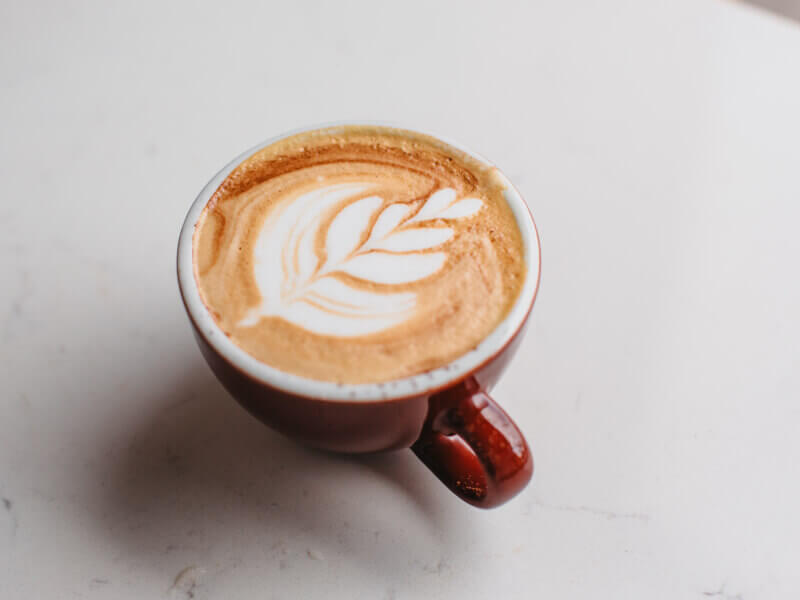
One of Melbourne’s biggest contributions to global coffee culture? The flat white—a velvety, espresso-based drink now found in cafés from London to New York.
The name is widely attributed to Australian barista Alan Preston in 1989. Regardless of cross-Tasman debates, what’s undeniable is that Melbourne perfected milk texture and balance in espresso drinks.
Today, Melbourne cafés are recognised worldwide for:
- Consistently high barista standards
- Independent roasters focusing on single origins
- Deep knowledge of flavour profiles
This isn’t accidental. It’s generational knowledge passed from migrant espresso bar owners to modern specialty roasters.

 Runs regularly
 North Melbourne
 1 to 10 guests
 $118
$118


 3k followers


 7 years in business
How barista culture keeps Melbourne at the top
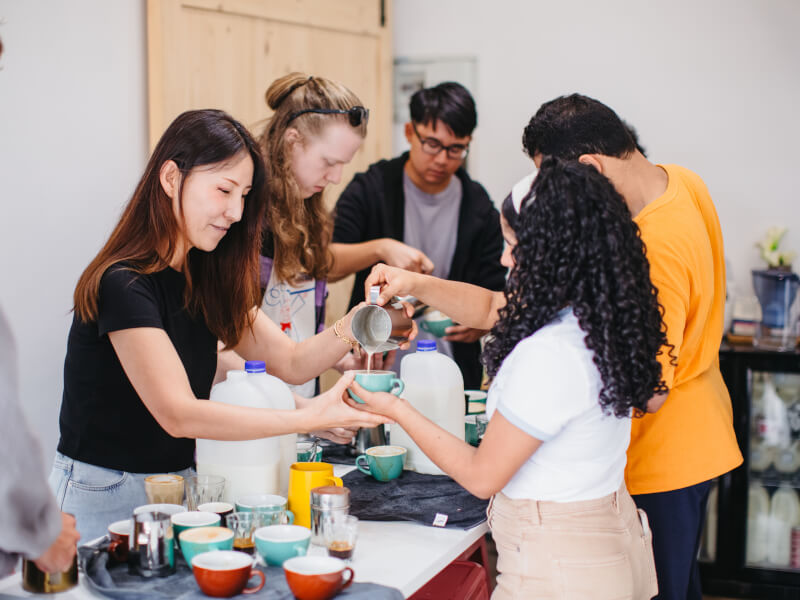
Melbourne doesn’t just drink great coffee—it trains great baristas.
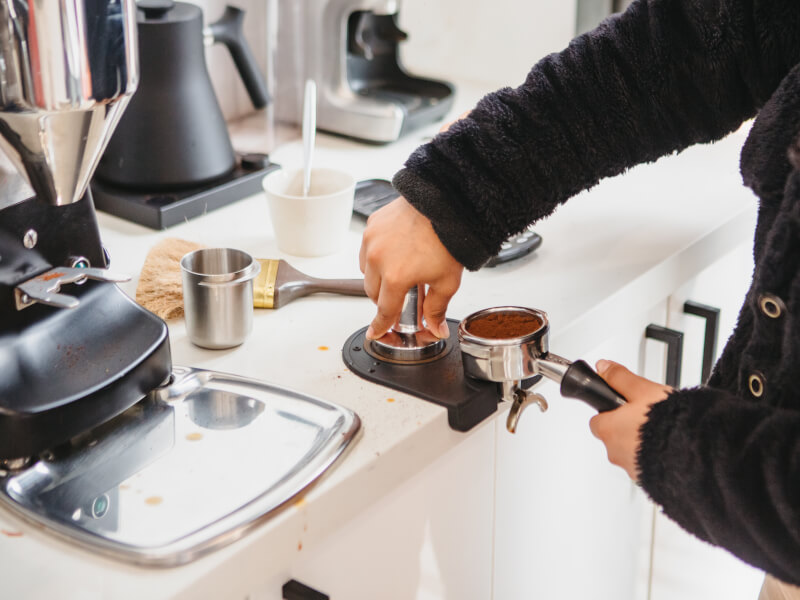
That’s why barista courses in Melbourne continue to grow in popularity. Learning to dial in espresso, steam milk properly and understand extraction isn’t niche here—it’s mainstream. Coffee education reflects the city’s values: skill, craft and pride.
Across the Yarra, from Brunswick to South Yarra, cafés are neighbourhood institutions, where locals know their barista by name and can hang out with their friends on the weekend. A place for culture, conversation and connection.
While much of Australia enjoys good coffee, Melbourne built a culture that treats it as an art form.
So why is Melbourne home to the best coffee in Australia?

It comes down to four things:
- Migration influence: Italian espresso traditions embedded into daily life.
- Artisanal roasting quality: Melbourne favours more small and independent roasters.
- Cultural identity: Cafés in Melbourne have become social and intellectual hubs.
- Relentless standards: Generations refusing to compromise on quality.
The old Federal Coffee Palace may be gone but the obsession it helped nurture is stronger than ever. Melbourne has truly refined coffee, reinvented it and exported it to the world.
And today, when you enrol in coffee courses in Melbourne, you’re not just learning how to make a latte. You’re stepping into a lineage that stretches from Ethiopian forests to Italian espresso bars to the laneways of Fitzroy.
That’s why Melbourne isn’t just good at coffee.
It’s the benchmark.