 By Erica Genda
In this story:
To understand the psychology of gift-giving, there are a few factors to think about. Did you know the type of gift a person receives makes a difference, like whether it’s a physical or experience gift? There’s also a reason “it’s the thought that counts” is a popular saying! (Because the thought really does matter).
Let’s dive into some quick facts about the psychology of gift-giving and how it translates into our modern landscape. Plus, we’re sharing extra tips on what makes the happiest giftee!
Why do people give gifts?
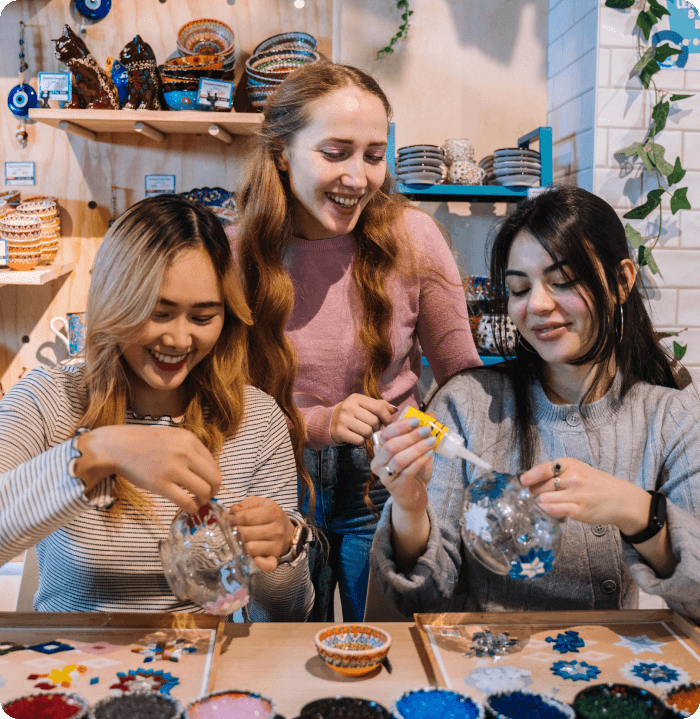
Mostly, we’ve come to see gifts as a way of celebrating and showing appreciation for a certain person. Whether it’s for their birthday, a milestone achievement, or a popular gifting occasion like Christmas, we give gifts to maintain a social bond and connect with that person. So, is that what gift-giving was always about?
Historically, gifting began as a way to foster diplomacy and respect between people. Sometimes, it was used as a way to establish virtue and reputation as a gift-giver. So, yes, in a way, gift-giving has always been a way to build upon social connection. Though it used to be a whole lot more about reputation than it is now. Over the years, gifting has become a little more playful and personal—more focused on making others and ourselves feel good!
The art of gifting can depend on certain social norms; these norms have been developed based on culture or typical relationship dynamics. For example, hands-on experience gifts typically help build stronger personal connections.
Gift-giving sentiments to remember in our modern age:
- Give to nurture social connections
- Give to show recognition and appreciation
- Give to share how you feel
- Give to show respect and honour cultural traditions
Why does gift giving sometimes feel better than receiving?
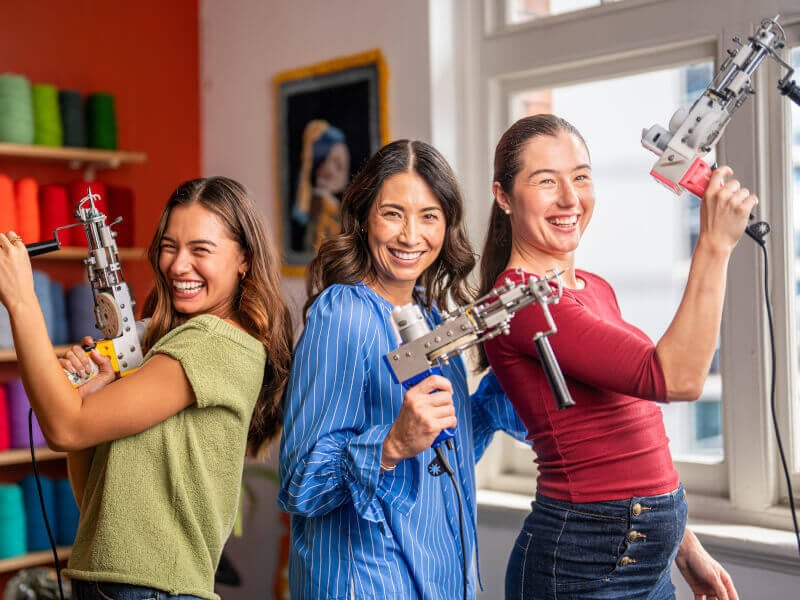
Essentially, what happens in our brain when we give a gift is almost equal to receiving one.
When you’ve found the perfect gift and the giftee loves it to bits, you’ll both get that hit of dopamine and oxytocin. These lovely biological chemicals coursing through us tend to bring on emotions of happiness, trust and even empathy. What better feelings to help strengthen relationships? Better yet, even the thought process of giving to others comes with its own release of oxytocin, making us feel good over a prolonged period of time. You can think of gift-giving like a fun goal you’re bound to achieve!
Alternatively, gift-giving can trigger panic and worry: Oh no, another thing to do. Will I have time to buy the right thing? Will they even like this gift? All natural human stresses, and a very common factor in the psychology of gift-giving. A giftee can feel the same way if surprised with a present when they haven’t prepared one to give back. Or when a gift is ‘too much’, causing some level of guilt.
So, how do we pinpoint the sweet spot of gifting that’s guaranteed to bring joy? Here’s where our gifting tips come into play!
See our tips on revealing a surprise gift to get even more in the feels.
Things to consider when deciding on an appropriate and joyous gift
You want a gift to evoke gratitude, not indebtedness. Make sure the gift speaks to the recipient's personality, interests and lifestyle. Gifting an experience is a great way to show you care because not only are you saying, ‘hey, I’d love more time with you,’ you’re also giving them a present that goes beyond the act of opening a box.
Be like Abby T., who got this cocktail masterclass experience in Melbourne for her partner:
“Two weeks ago, my partner celebrated his 30th birthday, and since he enjoys making cocktails, I knew this experience with Clinton (the teacher) would be the perfect way to celebrate.”

- If you’re struggling to think of something perfect, find something you’d love
Surprisingly, research shows that giftees actually love it when a gift is reflective of the gift giver, most likely because you’re not just giving them a basic present but also further insight into who you are (hello, social bonding!).
- Consider the cultural relevance of your gift-giving situation
For example, if it’s a spontaneous gift, keep it casual so that you don’t cause any panic for a recipient who hasn’t bought you something in return. If you know the person you’re buying for values thoughtfulness and care or has certain cultural customs, make sure to treat it with the right level of ritualistic respect.
- Think beyond the gift-giving moment
All the lead-up to giving a present is exciting. You’re proud of your idea, you put in all the effort, and you want to see their reaction when they open it. That hit of happiness can last the day, but it’s even more rewarding when you see a person using or wearing their gift well after you’ve given it. That’s why it can help to think of gifts that’ll keep bringing joy.
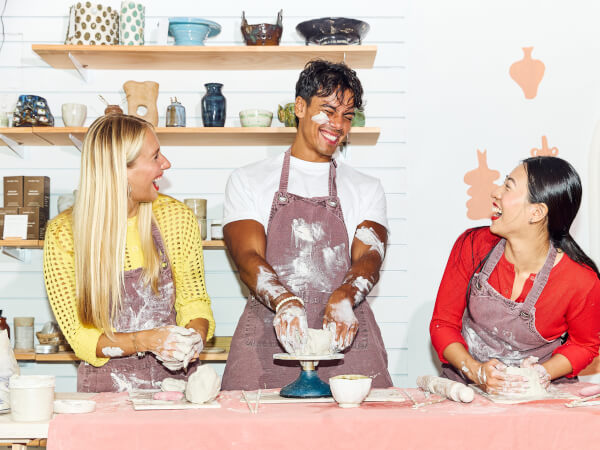
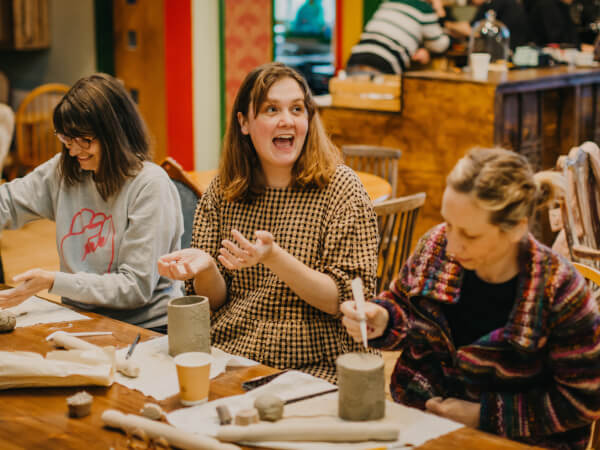
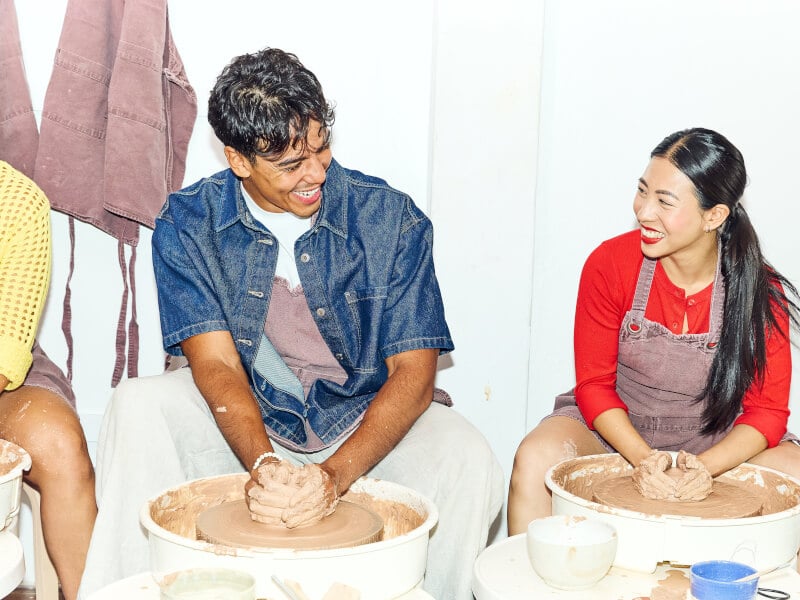
It’s another step better if you can see that joy come to life. Say you buy them a pottery class because they’ve been wanting to try it out—when you tag along, you’ll get to see their joy in motion. You may help them find a new hobby, or simply bank a memory with you that’ll bring you even closer.
What kind of gifts are thoughtful?
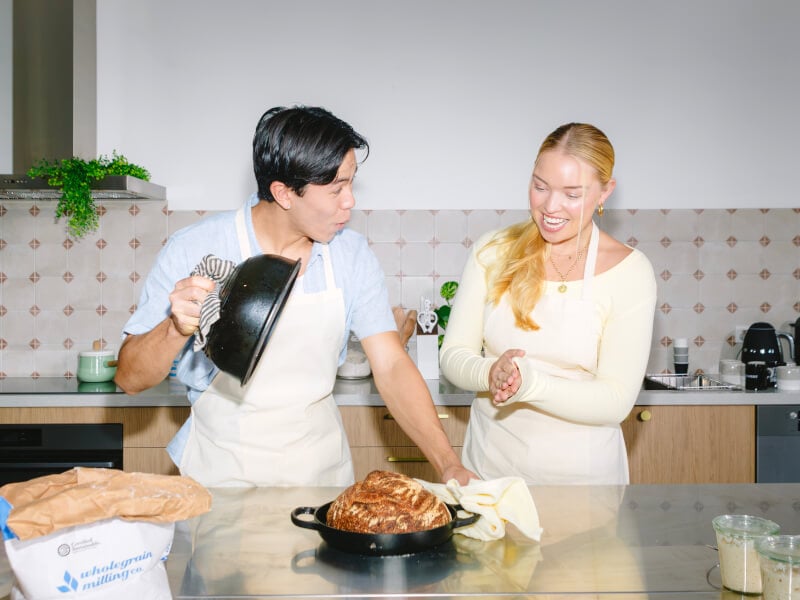
Both experience and physical gifts can be thoughtful—it all depends on the intention behind them. However, we love a gift someone can open and look forward to all over again, like a unique experience that gives you time to connect.
As mentioned earlier, experience gifts tend to bring people closer together, more so than physical gifts. So, if you’ve given your jewellery-loving friend enough rings and necklaces over the years to fill her entire jewellery box, you could try out a ring making workshop in Brisbane, or a charm bar sesh in Melbourne—that way, you get to give them something they love whilst also spending quality time and making new memories.
These kinds of gifts can help that oxytocin boost last longer, giving everyone something to be excited about in the moment, as well as something to look forward to!
Here are 5 things to keep in mind when gift shopping:
1. Is the person interested in this experience or product? Consider if they’ve brought it up or commented on it before.
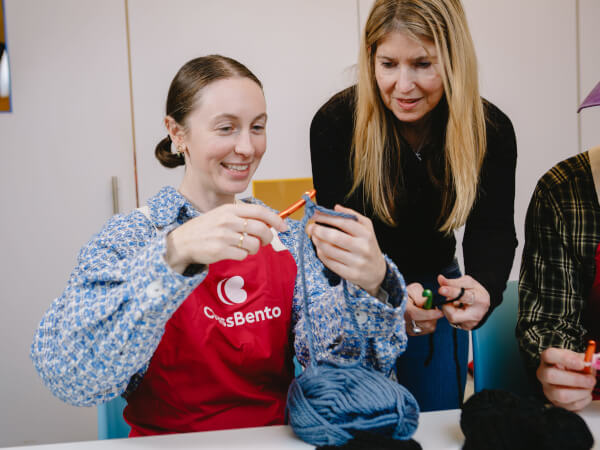
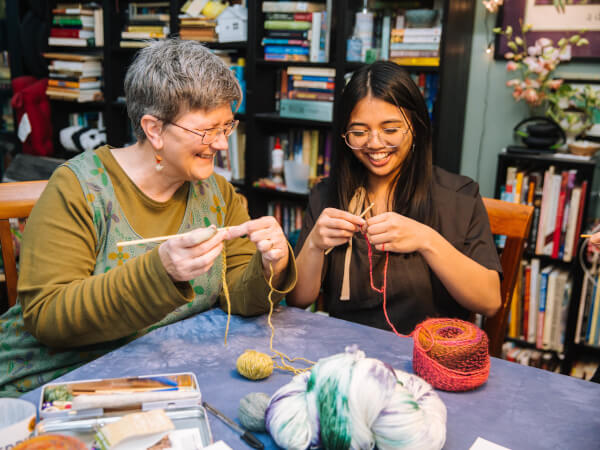
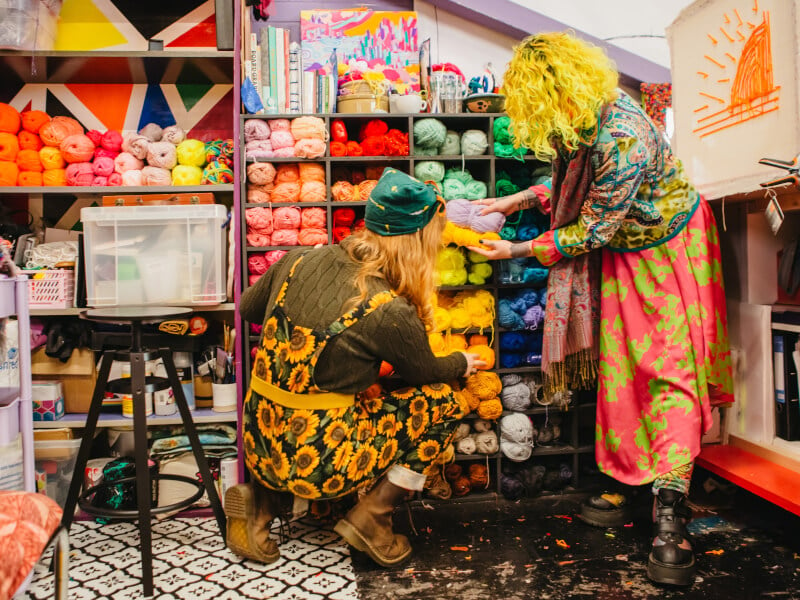
Giftee Katrina S. had been hanging out to learn crochet, so when she received a ClassBento gift card, she found Narda, who runs this crochet workshop in Sydney. Now she’s ready to take on another project!
“I have been wanting to learn to crochet for some time. I was given a gift card, and when I found Narda, I knew this was the time. Narda was thoughtful and knowledgeable. I had an excellent learning experience (and apple cake), and I am now ready to take on the granny blanket!”
2. Because we know that gift recipients can love gifts you love, think about interests you share, or parts of your personality and hobbies they seem to enjoy.
Inviting someone to learn more about your passions will make them feel pretty special!
3. Think about how you can make time for each other.
Do you both love going out for dinner to catch up, but want to make it extra special? You could try a cooking class that ends with a feast.
4. Don’t shy away from being sentimental! Heartfelt gifts are often the most appreciated.
Whether that’s shown through a physical or experience gift, it doesn’t matter. It can even come down to how you write the card!
5. Consider the giftee’s emotional wellbeing.
Do they need something to help them relax? Are they craving some creativity? Give them something that’ll address any stresses or hopes they’ve shared. (Or that you’ve noticed!).
Ultimately, the psychology of gift-giving boils down to connection, not price tags or perfection. By focusing on shared interests, emotional well-being, and meaningful experiences, you take the stress out of present shopping and unlock the real magic of gifting: creating lasting memories and bringing people closer together.