 By Jana Lepojevic
In this story:
- Create healthier work habits with flexible work arrangements
- Normalise rest with mental health days and realistic leave policies
- Build psychological safety into your workplace culture
- Prevent burnout by addressing workload, not just symptoms
- Strengthen connection through peer support and team bonding
- Creative team building activities in Sydney that support workplace wellbeing
Mental health in the workplace tends to be more complicated than one yoga workshop and fruit in the kitchen. It’s built into the very culture, how teams communicate, and how often they make space for team building.
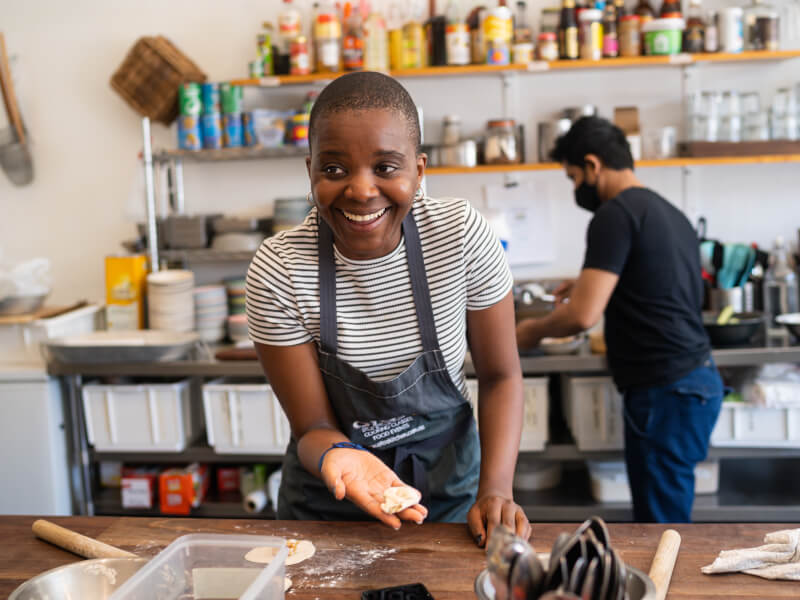
It’s easy to let these things fall to the wayside, but when employees feel overwhelmed, disconnected or emotionally drained, it affects everything from productivity to staff retention. So, while it’s hard to link workplace mental health initiatives to the bottom line, when people feel supported, teams collaborate better, and morale improves, which benefits everyone.
That’s why more businesses are moving beyond surface-level perks and investing in meaningful workplace wellbeing initiatives. From flexible work arrangements to creative team building activities, the most effective approaches focus on reducing stress while helping people feel more connected to their colleagues.
If you’re looking for practical ways to improve mental health in the workplace, here are some initiatives that can make a real difference.
Create healthier work habits with flexible work arrangements
One of the most effective ways to support mental health at work? Give people more flexibility.
Flexible work arrangements help employees better manage stress, energy levels and work-life balance. Whether it’s hybrid work, flexible start and finish times or occasional work-from-home days, autonomy can have a huge impact on overall wellbeing.
It also helps employees work in ways that suit them best. Some people thrive in a bustling office environment, while others focus better with quieter time at home. Offering flexibility acknowledges that people aren’t productivity robots running on identical batteries.
Of course, flexibility works best when paired with healthy communication and realistic expectations. If employees are technically “offline” but still replying to emails at 10pm, the benefits disappear quickly. Encouraging proper boundaries, respecting personal time and building trust into workplace culture are all key parts of creating a mentally healthier environment.
Normalise rest with mental health days and realistic leave policies
Too many workplaces still treat burnout like an inevitable side effect of ambition. In reality, constantly exhausted employees aren’t operating at their best. They’re just surviving the inbox avalanche.
Encouraging staff to take breaks before they hit breaking point can have a significant impact on mental health in the workplace. Dedicated mental health days, flexible personal leave policies and encouraging employees to actually use their annual leave all help create a healthier relationship with work.
The key is creating a culture where rest feels supported rather than silently judged. Leaders play a huge role here, too. When managers take leave themselves, and openly prioritise balance, it sends a much stronger message than any HR policy ever could.
Build psychological safety into your workplace culture
At its heart, psychological safety is really about listening to people and providing a safe space for them to speak up. Employees are far more likely to thrive when they can ask questions, share ideas or admit mistakes without fear of embarrassment or criticism.
Some initiatives that can help create a sense of psychological safety are more concrete, such as making time for employee surveys, where feedback can be anonymous, and regular check ins. While others are a little harder to quantify, like celebrating learning instead of punishing every mistake and making space for quieter team members to contribute. Encouraging open feedback and supporting respectful communication can all help employees feel more comfortable and connected.

 6 years in business
 Runs regularly
 Chatswood & Sydney
 1 to 15 guests
 $160
$160


Prevent burnout by addressing workload, not just symptoms
One of the biggest mistakes businesses make when approaching mental health in the workplace is focusing only on coping strategies instead of the actual causes of stress. Meditation apps are lovely. Unrealistic workloads are not.
If employees are constantly overloaded, understaffed or juggling impossible deadlines, no amount of yoga classes will magically fix the problem. Burnout prevention starts with reviewing how work is distributed and managed across teams.
That might mean setting more realistic deadlines, reducing unnecessary meetings or protecting uninterrupted focus time during the workday. Sometimes, the most effective wellbeing initiative is simply giving employees enough time to do their jobs properly without feeling permanently behind.

Sustainable productivity almost always outperforms constant hustle in the long run. When employees feel like their workload is manageable and fair, stress levels naturally decrease, and overall motivation improves.
Strengthen connection through peer support and team bonding
One of the most overlooked parts of workplace wellbeing is connection.
People spend a huge portion of their lives at work, yet many teams still operate like passing ships in a Slack channel. Building genuine relationships at work can help reduce feelings of isolation, improve communication and create stronger support systems during stressful periods.
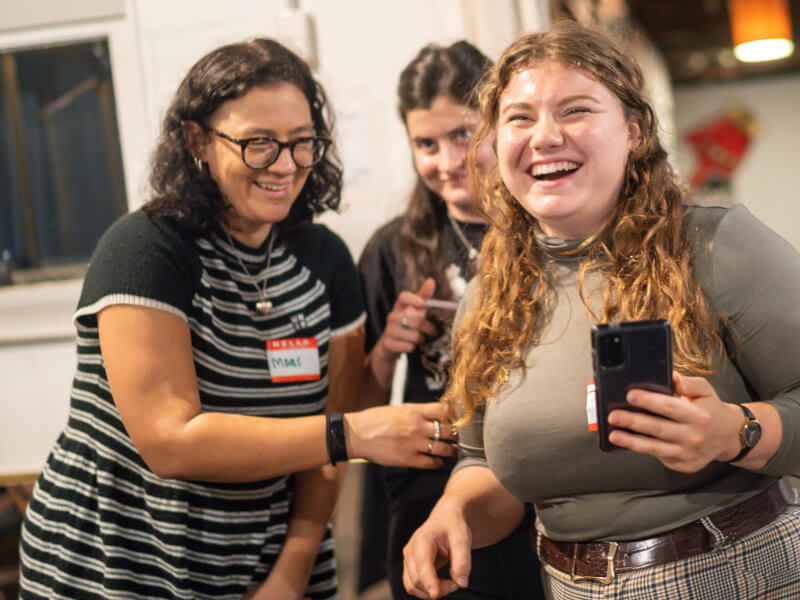
That’s where thoughtful team building activities in Sydney can make a real impact. But, it’s important to thoughtfully consider wellbeing and not just fun. Make any after-work team building optional and don’t force any activities that not everyone may be comfortable with, like trust falls or anything involving public speaking.
Creative workshops are especially effective for team building because they encourage mindfulness and collaboration. Plus, they provide something to focus on and a topic of conversation. Instead of talking about quarterly targets, people get to share experiences, learn something new and enjoy being creative together.
Creative team building activities in Sydney that support workplace wellbeing
These Sydney activities offer something employees might not get much of in the workplace—the chance to slow down, switch off the logical side of their brain and focus on creativity.
Art classes that encourage creativity and stress relief
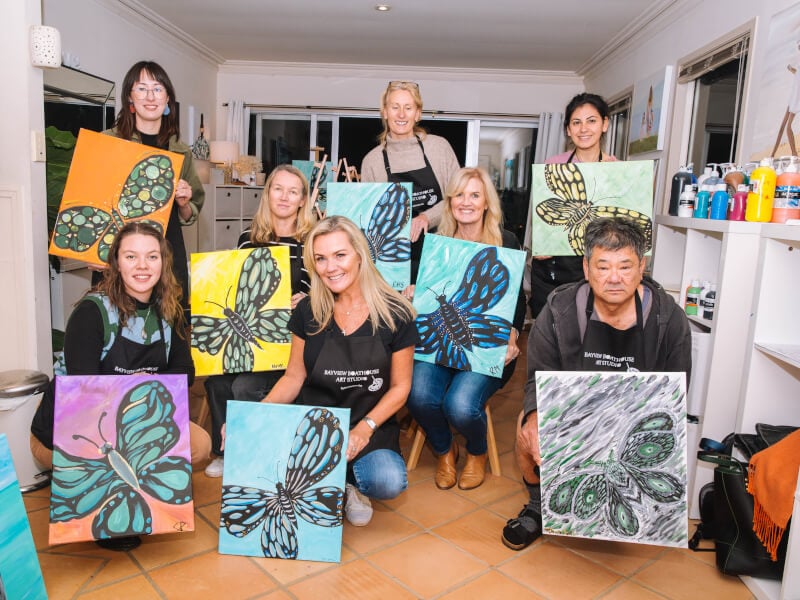
For teams spending most of their day glued to screens and notifications, art classes offer a creative escape. Whether it’s painting or drawing, art classes remind us of our childhoods, and there’s very little barrier to entry. All you need is a canvas and a paintbrush, maybe a cheeky glass of your favourite drink. Group art workshops can help teams connect in a more casual environment, where conversation flows naturally.
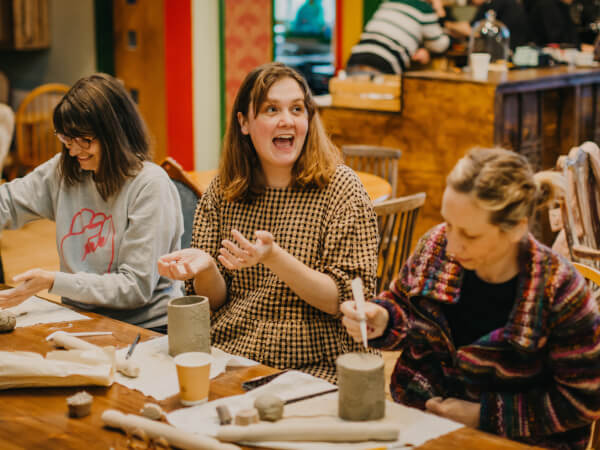
For another casual and creative environment, pottery classes are especially popular for team building. From hand building ceramics to wheel throwing workshops, pottery encourages people to slow down and stay present in the moment. Plus, there’s a sense of pride that comes from turning a lump of clay into something practical, like a mug, or even something quirky like a sculpture.
Flower and plant workshops that bring calm into the workplace
Nature-based activities are one of the best things to do for stressed teams. Flower arranging, terrarium building and kokedama workshops (to name a few) encourage mindfulness while helping employees reconnect with nature in a hands-on way. They also leave teams with something planty to bring back into the office, which can help create a more welcoming workspace long after the class ends.
Textiles classes that encourage focus and mindfulness
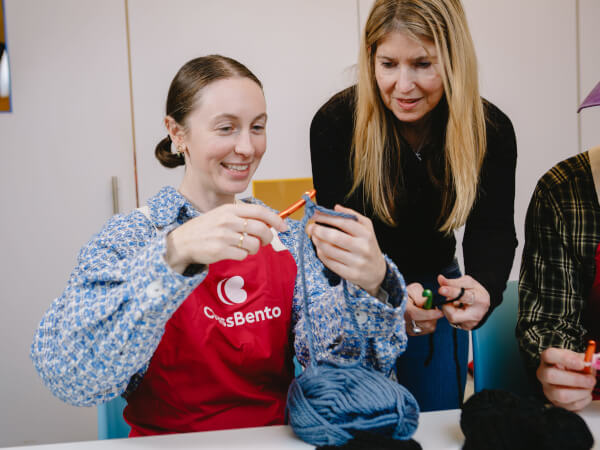
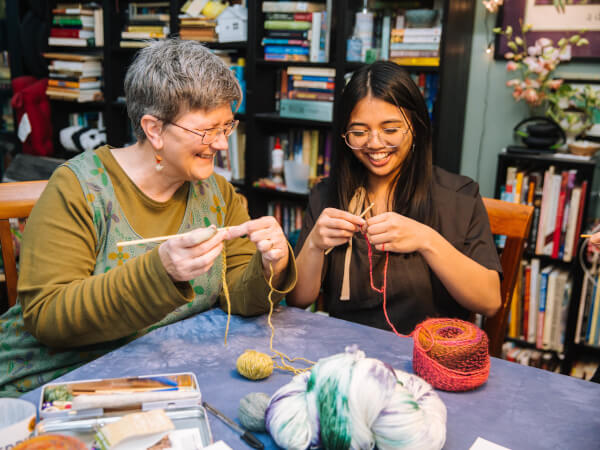
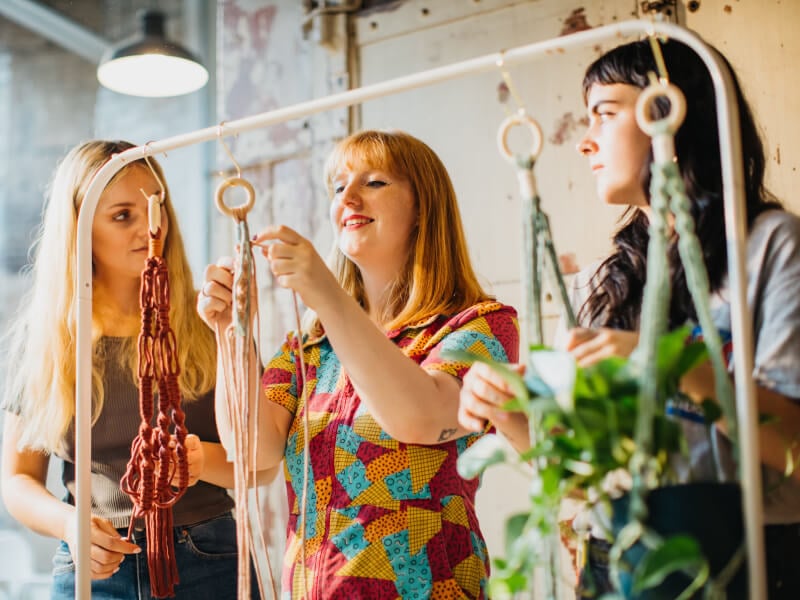
Textile workshops like crochet, embroidery and sewing classes may seem a little quiet, but they’re powerhouses when it comes to mental wellbeing. Repetitive hand movements can feel deeply calming and meditative, making these workshops ideal for employees dealing with stress or mental fatigue. They also encourage patience, focus and slower thinking.
These types of workshops create a relaxed social atmosphere, too. Conversation tends to flow more naturally when everyone’s hands are busy threading needles or learning crochet stitches together. For teams looking for low-pressure team bonding activities, textile classes are an inclusive option.
Baking and dessert classes that bring teams together
Food has a superpower when it comes to connection. And baking and dessert workshops deliver nostalgic fun with delicious results.
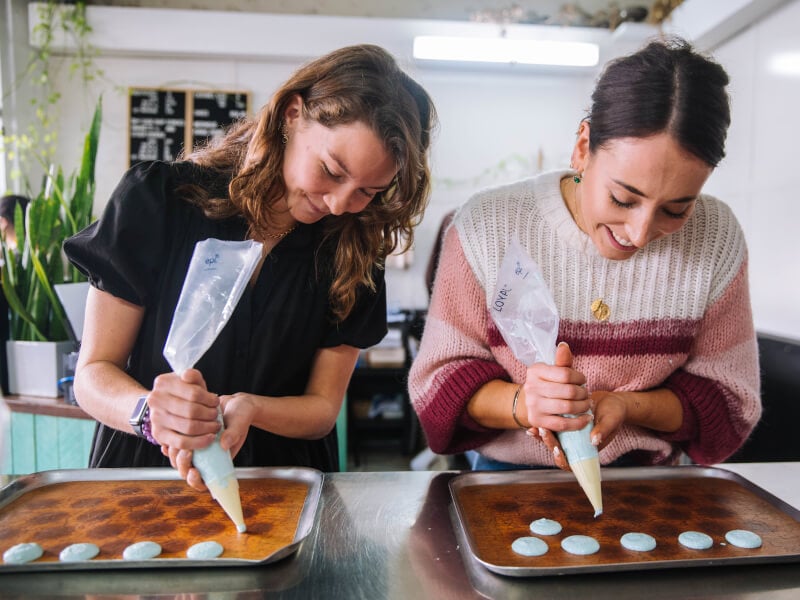
Whether your team is decorating cupcakes, mastering French pastries or learning how to make sourdough, baking classes give people the chance to work together on something unrelated to work (and dare we say more rewarding?) At the end, everyone has some tasty treats to enjoy, and that’s what they’ll remember long after the day is over.
Supporting mental health in the workplace is about creating a culture where people feel supported, connected and able to recharge before burnout kicks in. From flexible work policies to creative team building activities in Sydney, small changes can have a lasting impact on overall employee wellbeing. And when teams feel genuinely supported, everyone wins.